
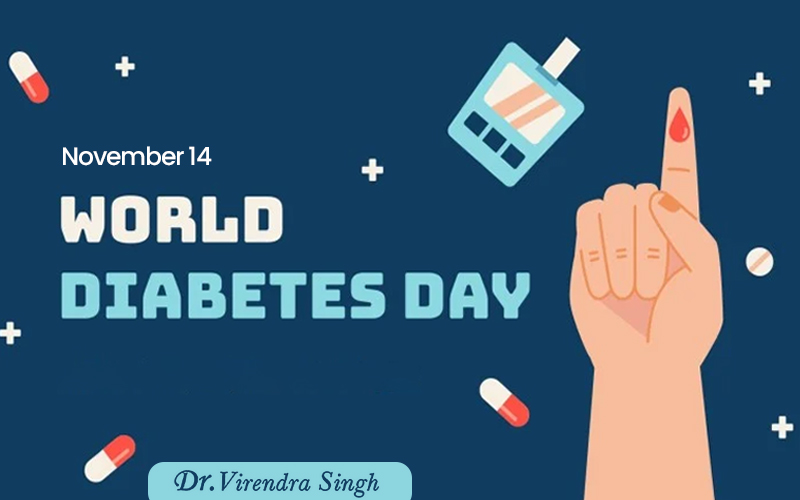
Diabetes does not usually present with clear-cut symptoms. Even if a person’s blood sugar levels are high, their eyes, kidneys, nerves, and heart may gradually deteriorate. The illness may have existed for a while before symptoms show up. World Diabetes Day, which is observed annually on November 14, emphasizes the significance of early detection of diabetes and appropriate treatment. Early action on diabetes is the theme for 2026–2027. It conveys a straightforward message: major difficulties can be avoided or postponed by testing early, understanding your risk, and making prompt adjustments.
Diabetes is a long-term illness where the body either produces insufficient insulin or uses it poorly, resulting in excessively high blood sugar levels. Regular testing is important, especially after 30 or earlier with risk factors, because type 2 diabetes frequently exhibits no early signs. Complications can be avoided or postponed with a healthy diet, regular exercise, weight control, and routine examinations. On the occasion of World Diabetes Day 2026, Dr. Virendra Singh highlights the importance of diabetes awareness, early detection, and proper management to promote a healthier life. He encourages patients to maintain a healthy weight, exercise frequently, eat a balanced diet, keep an eye on their blood sugar levels, and plan regular check-ups.
What is World Diabetes Day, and What is the 2026 Theme?
The World Health Organization (WHO) and the International Diabetes Federation (IDF) established World Diabetes Day in 1991 in response to the growing number of people with diabetes. It is the world’s biggest diabetes awareness campaign and was recognized as an official United Nations day in 2006.
This year’s theme, early action on diabetes, focuses on detecting diabetes and prediabetes sooner. IDF emphasizes that many people with type 2 diabetes already have complications by the time they are identified, and that the disease usually develops without noticeable symptoms.
Importance of Early Detection of Diabetes
Blood arteries and nerves can be subtly harmed by high blood sugar for years before a person becomes ill. The eyes, kidneys, heart, or feet may already be impacted by the time symptoms show up. Early detection changes this picture. Early detection of diabetes or prediabetes can help control blood sugar levels, safeguard organs, and, in many situations, postpone or completely avoid type 2 diabetes.
What are the Different Types of Diabetes?
- Type 1 Diabetes: The immune system unintentionally targets the pancreatic cells that produce insulin. Insulin therapy is therefore crucial because the body then produces little or no insulin. Although type 1 diabetes is frequently identified in children and young adults, it can occur at any age.
- Type 2 Diabetes: This is the most common type. The body gradually struggles to make enough insulin and becomes less sensitive to it. Age, family history, physical inactivity, genetics, and other metabolic factors can all affect the risk. It frequently develops without overt symptoms.
- Gestational Diabetes: This develops during pregnancy when blood sugar rises above the expected range. Gestational diabetes requires timely and proper management, as elevated blood sugar levels can affect both the mother and the baby. Although blood sugar levels often return to normal after delivery, women who experience gestational diabetes have an increased risk of developing type 2 diabetes later in life.
- Prediabetes: Blood sugar is higher than normal but below the threshold used to diagnose diabetes. Although progression is not inevitable, it indicates a higher chance of type 2 diabetes. That risk can be decreased with appropriate lifestyle modifications and monitoring.
What are the Early Warning Signs of Diabetes?
While some people have obvious symptoms, others don’t. Keep an eye out for these:
- Frequent urination, especially at night
- Excessive thirst and dry mouth
- Increased hunger with unexplained weight loss
- Constant tiredness
- Blurred vision
- Slow-healing wounds, recurrent infections of the skin or urine
- Numbness or tingling in the feet and hands
- Patches of silky, dark skin around the neck or underarms
Who is at Risk and Which Tests Detect Diabetes?
People with various body types, lifestyles, and medical histories might be affected by diabetes. Type 2 diabetes may be more likely to strike you if you:
- Have a parent or sibling with diabetes
- Are obese or overweight, especially with increased abdominal fat
- Have unhealthy cholesterol levels or high blood pressure
- Have polycystic ovary syndrome (PCOS)
- Have unhealthy cholesterol levels or high blood pressure
- Have a sedentary lifestyle
- Have been diagnosed with prediabetes
Complications of Uncontrolled Diabetes
- Eyes: Diabetic retinopathy may cause vision loss by damaging the retina’s blood vessels. Frequent eye exams can assist in identifying abnormalities before they impair vision.
- Kidneys: Diabetes can damage the kidneys’ filtering system. Early detection of issues can be facilitated by blood tests that evaluate kidney function and urine albumin testing.
- Nerves: Diabetic neuropathy can cause tingling, pain, burning, or reduced sensation, particularly in the feet.
- Heart and Blood Vessels: Diabetes raises the risk of cardiovascular disease, which includes heart attacks and strokes, particularly when other risk factors are poorly controlled.
- Feet: Foot injuries may be more difficult to identify and heal more slowly due to nerve damage and decreased circulation. Some infections can become serious if not treated promptly.
FAQs
When is World Diabetes Day 2026 observed?
World Diabetes Day is observed on 14 November every year.
Why is World Diabetes Day celebrated?
It raises awareness about diabetes prevention, effective management, and early diagnosis.
Who is at a higher risk of diabetes?
Individuals who are overweight, physically inactive, or have a family history of diabetes may be at an increased risk.
Can diabetes be managed?
Yes, diabetes can be managed through medical care, appropriate medication, healthy habits, and blood sugar monitoring.
What is the message of World Diabetes Day 2026?
The message is to spread awareness, encourage early detection, and promote healthier lifestyles.