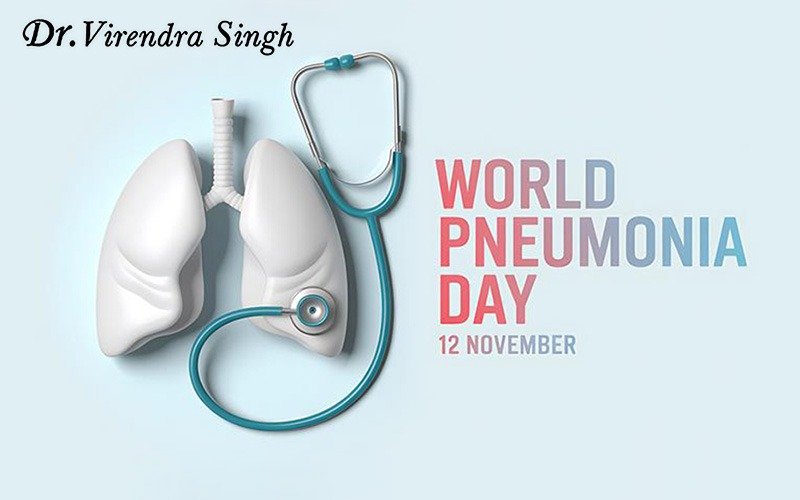
Every 39 seconds. Pneumonia is the leading infectious cause of death for children under five worldwide since that is how frequently a child dies from it. Yet, despite its devastating toll, pneumonia often remains a silent crisis, overlooked in public discourse. The goal of World Pneumonia Day, which is celebrated on November 12th every year, is to alter that. This day is devoted to increasing awareness, encouraging strategies to prevent, treat, and guard against this fatal condition, and pushing for worldwide action. Everything you need to know will be covered in this guide, from identifying your risk and the early warning symptoms to the most recent information on prevention and the importance of this important global health day. Let’s gain knowledge to empower ourselves and demystify pneumonia.
On World Pneumonia Day 2026, Dr. Virendra Singh emphasizes the importance of pneumonia awareness, early diagnosis, and timely medical care to protect lung health. A lung infection called pneumonia can cause symptoms like fever, chest pain, coughing, and breathing difficulties. All ages are susceptible, but those with compromised immune systems, elderly persons, and small children are most vulnerable. Dr. Virendra Singh guides people to recognize the early warning signs, follow good hygiene practices, maintain a healthy lifestyle, and consult a healthcare professional if symptoms develop.
What is World Pneumonia Day?
World Pneumonia Day is more than just a date on the calendar; it’s an annual rallying point for the global health community. It was founded in 2009 by the Global Coalition Against Child Pneumonia and provides a forum for the public, legislators, medical professionals, and donors to come together in the battle against pneumonia. The day highlights the critical need for ongoing funding and dedication to the fight against a disease that is both treatable and preventable.
The History Behind the Day
The establishment of World Pneumonia Day was a calculated attempt to combat the disregard pneumonia had endured despite its high prevalence. A network of international governmental, non-governmental, and community-based organizations, the Global Coalition Against Child Pneumonia recognized that targeted lobbying may spur political will. Their objective was to elevate pneumonia to the forefront of international child survival measures and lift it out of the shadow of other illnesses.
The Annual Theme: A Focus for Action
Every year, World Pneumonia Day is marked by a specific theme, such as “Stop/Pneumonia/Every Breath Counts” or “Championing the Fight to Stop Pneumonia”. Whether it’s promoting vaccine fairness, emphasizing the impact of air pollution, or pressing for improved access to antibiotics and oxygen therapy in low-resource settings, these themes focus efforts on particular solutions.
Why is World Pneumonia Day Observed on November 12?
Every year on November 12, World Pneumonia Day is commemorated to raise public awareness of pneumonia and promote teamwork in managing and preventing the illness. The day highlights the importance of healthcare access, vaccination, early diagnosis, and education about respiratory infections.
World Pneumonia Day 2026 reminds families, individuals, healthcare professionals, and communities that pneumonia should not be ignored. Campaigns to raise awareness can help individuals realize how serious the infection is and when they need to seek professional medical care. Additionally, the day offers a chance to dispel myths regarding pneumonia and encourage preventive medical procedures that might shield vulnerable groups.
Common Symptoms of Pneumonia You Should Never Ignore
The symptoms of pneumonia might differ from person to person. While some people get sick more rapidly, others experience symptoms more gradually. Common signs and symptoms include:
- Persistent cough, sometimes producing mucus
- Chills, fever, or sweating
- Shortness of breath or difficulty breathing
- Fatigue, weakness, and reduced energy
- Chest pain that worsens during coughing or deep breathing
- Loss of appetite
- Confusion or unusual drowsiness particularly in older adults
Who is at Higher Risk of Pneumonia?
While everybody can have pneumonia, certain people are more susceptible to serious disease or consequences.
- Infants and Young Children: Their developing immune systems can make them more vulnerable to respiratory infections.
- Older Adults: Individuals 65 years of age and older may not always get a high temperature and may have more severe symptoms.
- People with Chronic Conditions: Individuals with chronic lung disease, heart disease, diabetes, or other long-term health conditions may face a higher risk of complications.
- People with Weakened Immune systems: Certain illnesses and treatments can reduce the body’s ability to fight infections.
- People who Smoke: Smoking can increase vulnerability to respiratory infections and harm the lungs’ natural defenses.
When Should You Consult a Doctor for Pneumonia?
Medical consultation is important if you have a persistent or worsening fever, cough, chest discomfort, unusual weakness or shortness of breath. When respiratory symptoms manifest, people who are at increased risk should exercise extra caution. Seek emergency care for severe difficulty breathing, blue or grey lips, sudden confusion, fainting or other signs of serious illness.
FAQs
When is World Pneumonia Day 2026 observed?
World Pneumonia Day 2-26 will be observed on November 12 to raise awareness about pneumonia prevention, symptoms, and treatment.
What is the main purpose of World Pneumonia Day?
Its goals are to raise awareness of pneumonia and to encourage prompt medical attention, early diagnosis, and prevention.
Who is most at risk of pneumonia?
Young children, older adults, smokers, and people with chronic illnesses or weakened immune system are at higher risk of severe illness.
Is pneumonia contagious?
Some germs that cause pneumonia can spread between people through respiratory droplets or other routes, depending on the infection.
Why is pneumonia awareness important in 2026?
Pneumonia awareness assists people recognize warning signs, understand preventive measures and seek timely treatment to reduce complications.