
A chronic lung disease that limits lung airflow is called chronic obstructive pulmonary disease (COPD). It is an irreversible respiratory disease that manifests as emphysema and bronchitis, which are frequently encountered simultaneously in people with COPD. Significant risk factors for COPD include smoking, extended exposure to certain chemicals, industrial dust, and pollutants, deteriorated lung function, a chronic cough that produces mucus, and trouble breathing. Chest tightness, abrupt shortness of breath, and persistent coughing are typical signs of obstructive pulmonary disease. These symptoms worsen over time, leading to breathing difficulties that impact activities.
Medical professionals usually use airflow limitation assessment and severity determination to identify the problem. COPD is incurable. It can be controlled with specialized rehabilitation programs and additional therapies to improve quality of life and reduce symptoms. It is crucial to manage COPD for health outcomes and deal constructively with respiratory difficulties caused by the illness diet. A nutritious, well-balanced diet can improve system performance and help build stronger muscles. Dr. Virendra Singh shares expert guidance on managing COPD through a balanced and lung-friendly diet.
How Does Food Influence COPD?
Chronic Obstructive Pulmonary Disease (COPD) is largely controlled by diet, which fuels the body and affects the severity and treatment of the illness. A well-considered diet can help protect the body, help save energy, and lessen the strain that COPD puts on the body, especially on the respiratory and cardiovascular systems.
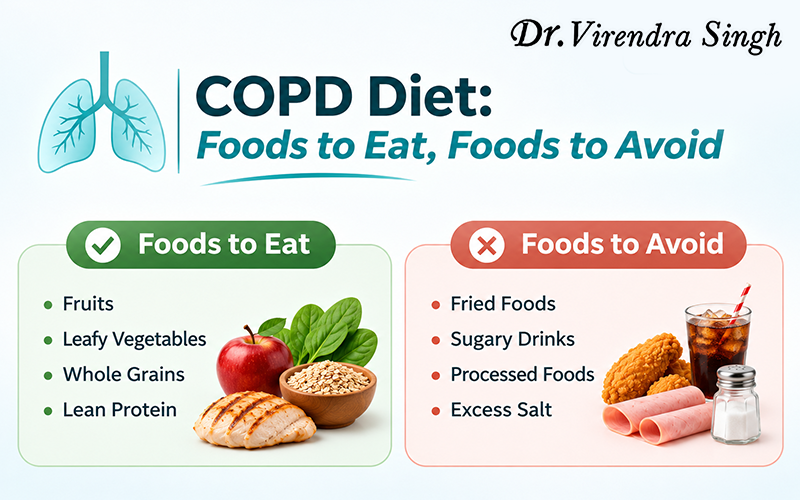
What Food to Eat During COPD
The following is a list of foods you need to eat while you have COPD:
- Whole Grains: Rice, quinoa, and whole wheat bread are great sources of complex carbohydrates that support the body’s energy levels.
- Fruits & Vegetables: Leafy greens, berries, citrus fruits, and bell peppers are essential for the body’s vitamins, minerals, and antioxidants.
- Omega – 3 Fatty Acids: The omega-3 fatty acids found in flaxseeds and fatty fish have strong anti-inflammatory qualities and aid in reducing the uncomfortable inflammation in the airways, which enhances respiratory health in general.
- Lean Proteins: Lean meat, fish, eggs, and poultry cuts are examples of plant-based proteins that are high in protein density and aid in lung muscle strengthening for easier breathing.
- Nuts & Seeds: Chia seeds, walnuts, sunflower seeds, or almonds are good and highly recommended nuts and seeds that deliver superior amounts of healthy fats, vitamins, and minerals.
- Dairy/Dairy Alternatives: Dairy products with low or no fat are strongly advised for the body’s effective synthesis of calcium and vitamin D for strong bones.
What Foods to Avoid During COPD
You must avoid the following foods if you have COPD in order to effectively manage your symptoms:
- Processed and Fried Foods: Burgers, chicken wings, and other fried snacks should be avoided because they are processed and contain unhealthy fats that might cause weight gain. This may have an additional effect on how well people with COPD breathe.
- High-Sodium Foods: Cheese, packaged meals, and fast food are examples of items high in sodium that should be avoided since they can promote water retention and a marked rise in blood pressure. This puts strain on the cardiovascular system.
- Gas Producing Foods: Avoid foods that can cause the body to produce gas, like beans, broccoli, cabbage, and aerated drinks, as these could affect respiratory function and cause dyspnea.
- Alcohol: To reduce the depressive effects on respiratory function and possible interactions with COPD drugs, alcohol should be avoided.
- Excessive Caffeine: Limit caffeine intake, as it may lead to dehydration in the body.
- Allergenic Foods: Determine which foods trigger allergies and steer clear of them to prevent respiratory symptoms from getting worse.
Why Nutrition Matters in COPD
People with COPD need more energy to breathe than people in good health. The need for calories rises when the respiratory muscles have to work harder. Poor nutrition can weaken these muscles, making breathing even more difficult. However, carrying too much weight can increase the strain on the diaphragm and lungs. Proper nutrition helps:
- Maintain a healthy body weight
- Strengthen the immune system
- Improve energy and stamina
- Support better lung function
- Reduce inflammation
Eating the correct foods can improve everyday comfort and drastically lower symptom flare-ups.
Managing Weight with COPD
Maintaining a healthy weight is critical:
- Underweight individuals may need high-calorie, nutrient-dense foods to prevent muscle loss.
- Overweight individuals may benefit from balanced meals and portion control to lessen breathing strain.
Conclusions
Diet plays a powerful supportive role in managing COPD. Proper nutrition can greatly enhance breathing comfort, energy levels, and general quality of life, even though it cannot cure the condition. Focusing on fresh, wholesome foods while avoiding processed, salty, and fried items can make a noticeable difference. When paired with medical care, lifestyle changes, and routine examinations, a diet that is suitable for people with COPD enables them to live healthier and more active lives.
FAQs
What is the best diet for COPD patients?
A balanced diet rich in healthy fats, protein, whole grains, fruits, and vegetables is best. It assist maintain energy and supports lung function.
Why is protein important in COPD?
Protein helps strengthen respiratory muscles and prevents muscle loss, which is common in COPD patients.
Which fruits are good for COPD?
Berries, apples, pears, oranges, and leafy green vegetables are beneficial because they are rich in antioxidants.
Are carbonated drinks harmful for COPD?
Yes, gas and bloating from fizzy drinks might aggravate dyspnea by putting more strain on the lungs.
How much water should a COPD patient drink?
Generally, 6-8 glasses of water daily are recommended to assist thin mucus, unless fluid intake is restricted by a doctor.