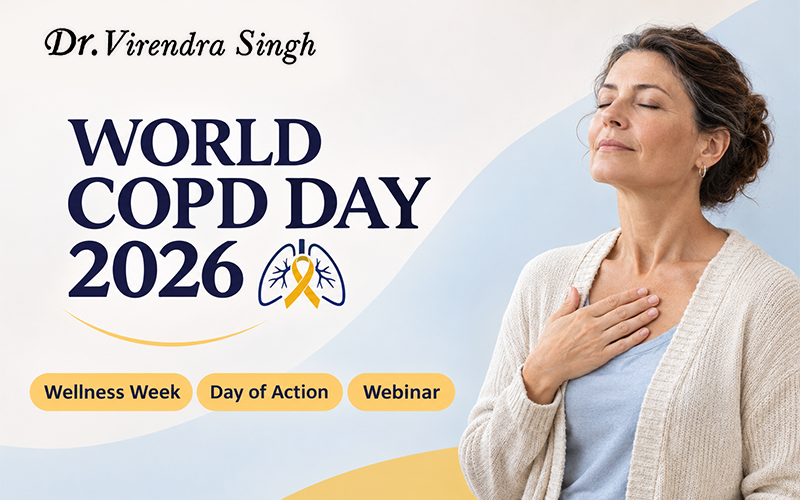
World COPD Day 2026 is observed to raise awareness about Chronic Obstructive Pulmonary Disease (COPD), a progressive lung condition that makes breathing difficult and affects millions of people globally. This day emphasizes the significance of prompt diagnosis, treatment, prevention, and appropriate respiratory health management. Additionally, it helps patients identify common signs of COPD, including wheezing, dyspnea, prolonged coughing, and excessive mucus production. Smoking, air pollution, and long-term exposure to harmful dust and chemicals are among the major risk factors for COPD. The purpose of World COPD Day is to inform people about lung protection, leading a healthy lifestyle, abstaining from tobacco, and consulting a doctor when symptoms arise.
The day encourages people with COPD to live healthier and more active lifestyles by promoting better lung health through awareness campaigns, health examinations, and community involvement. World COPD Day 2026 will be observed on 18th November 2026 to raise awareness about COPD and promote better respiratory health worldwide. Under the theme “Early Diagnosis and Management for a Better Life,” this day highlights the importance of recognising early symptoms, timely diagnosis, and effective treatment. According to Dr. Virendra Singh, improving patients’ quality of life and halting the progression of the disease depend on early detection and appropriate care of COPD.
About World COPD Day
The Global Initiative for Chronic Obstructive Lung Disease (GOLD), along with patient organizations and medical professionals, first marked World COPD Day in 2002. Since then, it has developed into a worldwide awareness campaign, with events held in numerous nations. It is celebrated annually on the third Wednesday of November. The day aims to raise awareness about chronic obstructive pulmonary disease (COPD), its risk factors, and the impact it has on everyday life. On this day, people are urged to identify early signs, recognize the significance of lung health, and consult a doctor if breathing issues continue. It also emphasizes the necessity of increased knowledge, prompt diagnosis, and access to suitable care for individuals with COPD.
What is COPD and How Does it Affect the Lungs?
Chronic Obstructive Pulmonary Disease (COPD) is a long-term lung condition that makes it difficult to breathe. It appears when the lungs’ small air sacs are damaged or when the airways become constricted or irritated. Breathing becomes more difficult as airflow is constricted, and daily tasks may eventually become taxing.
COPD commonly involves two conditions, which may occur separately or together:
-
Chronic Bronchitis
Inflammation causes the bronchial tubes, which transport air to and from the lungs, to produce more mucus. This often leads to a persistent cough and regular phlegm production.
-
Emphysema
Damage occurs to the walls of the alveoli, which are microscopic air sacs that exchange carbon dioxide and oxygen. The loss of flexibility in these air sacs traps air in the lungs, making it more difficult to exhale.
Over time, these alterations may result in ongoing airflow blockage and impair the lungs’ capacity to operate effectively. COPD generally progresses gradually, although the rate of progression varies from person to person. Although it is impossible to reverse lung damage that has already occurred, proper treatment can help control symptoms and prevent further decline. While smoking is a significant risk factor, it is not the sole one. Other factors that can contribute to COPD include:
- Long-term exposure to indoor smoke from cooking with solid fuels.
- Outdoor air pollution.
- Occupational exposure to fumes, dust, and chemicals.
- Genetic conditions such as alpha-1 antitrypsin deficiency.
COPD Symptoms That Should Not Be Ignored
One of the challenges with COPD is that its early symptoms can be easy to overlook. Breathlessness may be attributed to aging or inactivity, while a chronic cough may be written off as a smoker’s cough. Since these changes often develop gradually, people may adjust their routines without realising that their breathing has changed. Some common symptoms to look out for include:
- Persistent Cough: One of the early symptoms of COPD could be a persistent cough that lasts for weeks or months. Although some people cough throughout the day, it can be most evident in the morning.
- Excess Phlegm: Regularly coughing up mucus or frequently clearing the throat can indicate increased mucus production in the airways.
- Breathlessness: Activities like walking uphill, climbing stairs, or carrying groceries can initially cause shortness of breath. As the condition progresses, even less strenuous activities can become difficult.
- Wheezing: A whistling sound during breathing, especially when exhaling, might be caused by narrowed airways. Respiratory diseases or strenuous exercise may make it more apparent.
- Chest Tightness: Some people experience pressure or tightness in the chest, which can make taking a deep breath uncomfortable.
- Frequent Chest Infections: People with COPD may experience recurrent respiratory infections, including bronchitis bouts. These infections may potentially exacerbate pre-existing respiratory conditions.
- Fatigue: Restricted airflow can make breathing more physically demanding. Persistent fatigue may be caused by this extra effort, sleep disturbances, and decreased physical activity.
When Do Symptoms Need Urgent Attention?
Additionally, there is a distinction between persistent COPD symptoms and an abrupt deterioration. A flare-up, or notable increase in dyspnea, coughing, or mucus production within a brief period of time, may be a sign of a COPD exacerbation. Bluish lips, disorientation, or severe or abrupt breathing difficulties need to be treated right away. Coughing up blood or experiencing chest pain also warrants prompt evaluation.
FAQs
When is World COPD Day 2026 observed?
World COPD Day 2026 will be observed on 18th November 2026.
What is the main purpose of World COPD Day?
It aims to raise awareness about COPD, its early diagnosis, prevention, and effective management.
What are the common symptoms of COPD?
Common symptoms include breathlessness, coughing, wheezing, and excess mucus production.
Can COPD be prevented?
Avoiding smoking, reducing exposure to pollutants, and upholding healthy practices can all lower the risk of developing COPD.
Is COPD treatable?
Yes, while there is no known cure for COPD, it is possible to manage symptoms and enhance quality of life with the right care.