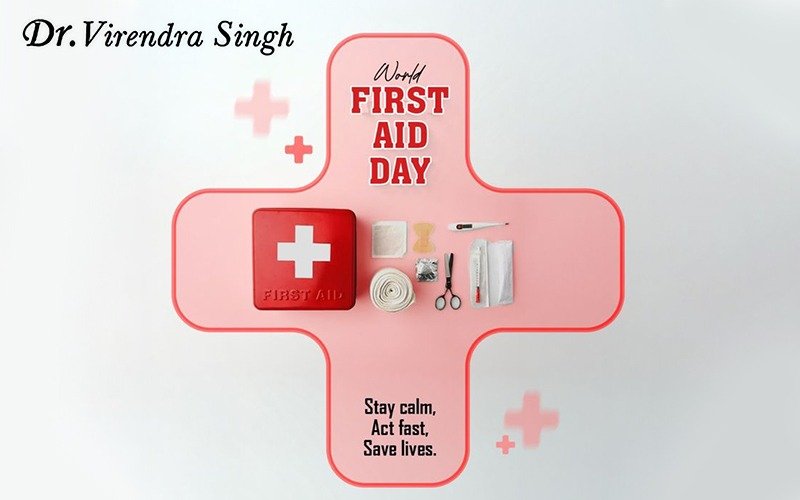
First aid can save lives in many unexpected medical situations and accidents. It is providing someone with emergency medical care until more qualified help comes. This could be as easy as halting the bleeding or as complex as doing CPR. Prompt first aid helps prevent complications and even saves lives. World First Aid Day serves as a reminder of how critical it is that more people possess these fundamental yet essential skills. This blog examines what first aid entails, the fundamental knowledge that everyone should possess, and the significant actions that people can perform on World First Aid Day in 2026 in order to better comprehend its significance.
On World First Aid Day 2026, Dr. Virendra Singh, a pulmonologist, highlights the importance of knowing basic first aid, especially during sudden breathing difficulties and respiratory emergencies. Prior to the arrival of expert medical assistance, first aid is frequently the most important initial action. Remaining composed, evaluating the situation, and acting appropriately right away can make a big difference in circumstances like severe dyspnea, choking, unconsciousness, or an unexpected respiratory issue. Dr. Virendra Singh encourages everyone to learn essential first-aid skills, recognize warning signs early, and seek emergency medical assistance without delays.
History and Significance of World First Aid Day
Every year on the second Saturday of September, which is September 12 this year, people mark World First Aid Day. The International Federation of Red Cross and Red Crescent Societies (IFRC) originally implemented it in 2000 in an effort to increase public awareness of the significance of first aid. Since then, countries all across the world commemorate the day with community initiatives, workshops, and campaigns to advance first aid education.
This day is significant because it focuses on creating a society that is more responsive and ready. World First Aid Day helps reduce the impact of accidents and medical emergencies by encouraging people to learn simple yet life-saving skills. It also emphasizes the notion that anyone, regardless of age or background, can intervene and provide significant assistance in times of need.
What is First Aid?
When someone is hurt or has an unexpected medical emergency, first aid is the medical care they receive right away before more qualified help arrives. Its goal is to stabilize the patient and stop the disease from getting worse until more sophisticated care can be given. Cleaning and dressing wounds, applying pressure to stop bleeding, conducting CPR, or assisting someone who is choking are just a few examples of the various acts that may be included in first aid, depending on the circumstances. These early steps, though often simple, can be crucial in protecting life, preventing complictions, and improving outcomes in emergency situations.
What Types of Situations Typically Require First Aid?
First aid can be required in a huge range of everyday emergencies. In many cases, reducing the severity of injuries, preventing additional harm, or maintaining stability until medical assistance comes can all be accomplished with the correct response during the initial few minutes. A few typical circumstances where first aid is frequently required are listed below, along with possible initial responses:
- Cuts, Wounds, and Bleeding: First aid is often needed for bleeding injuries, ranging from minor cuts to severe cuts. Usually, minor wounds only require a clean bandage and mild washing.
- Burns and Scalds: Burns can result from contact with hot surfaces, fire, chemicals, boiling water, or even electricity. To minimize skin damage, the first step in first aid is to chill the injured region under running water for at least ten minutes.
- Choking: When food or another object obstructs the airway, choking typically happens. It’s critical to intervene quickly if the person is unable to breathe, cough, or speak. Back strikes between the shoulder blades and abdominal thrusts (the Heimlich maneuver) are used in first aid to help move the object.
- Cardiac Arrest and Heart Attacks: In a cardiac arrest, the heart stops beating suddenly, and the person becomes unresponsive. CPR (chest compressions and rescue breaths) must be performed right away as part of first aid.
Which Basics First Aid Skills Should Everyone Know?
Basic first aid training is not just for medical professionals. These are abilities that anyone can learn and use in an emergency. Knowing how to react can have a big impact on the outcome, whether you’re helping a stranger after a car accident or a coworker who faints at work.
- Performing CPR (Cardiopulmonary Resuscitation
- Controlling Bleeding
- Treating Burns
- Helping Someone Who’s Choking
- Managing Fractures and Sprains
- Recognising and Responding to Shock
- Handling Nosebleeds
- Cleaning and Covering Minor Cuts and Scrapes
- Spotting the Signs of a Stroke or Heart Attack
- Assisting Someone Having a Seizure
Where Can You Learn First Aid Properly?
Learning first aid from a reputable source guaranties that the methods are accurate and current. Online videos and written guides can provide some fundamental knowledge, but professional education and practical experience are provided by appropriate training from reputable organizations.
- Certified Courses: Certified first aid training is provided by numerous respectable organizations, including the Indian Red Cross Society, St. John Ambulance, and regional health authorities. CPR, wound care, fracture support, and managing unconscious people are frequently covered in these courses.
- Hospitals and Medical Centers: Some hospitals offer brief training sessions or community seminars. Those who wish to study the fundamentals of first aid without committing to a full certification course could find these useful.
- Schools and Workplaces: Increasingly, educational institutions and companies are offering first aid session for students and staff. These programs are made to teach fundamental skills in easy-to-understand ways that are appropriate for various age groups and work environments.
- Online Platforms: Several organizations also provide online training with optional certification for individuals who might not have access to in-person seminars. However, it’s best to ensure these courses ae backed by recognised health authorities.
FAQs
What is a World First Aid Day?
World First Aid Day raises awareness and motivates people to acquire life-saving first aid skills.
Why is First Aid important?
First aid provides immediate support during emergencies before professional medical help arrives.
What should I do during a medical emergency?
Remain composed, assess the person’s health, administer the proper first aid, and quickly call emergency medical services.
How can first aid help during breathing difficulties?
Quick and appropriate action can provide vital support while waiting for professional medical assistance.
What is the message of World First Aid Day 2026?
The key message is simple, every second can save a life when the right help is given at the right time.