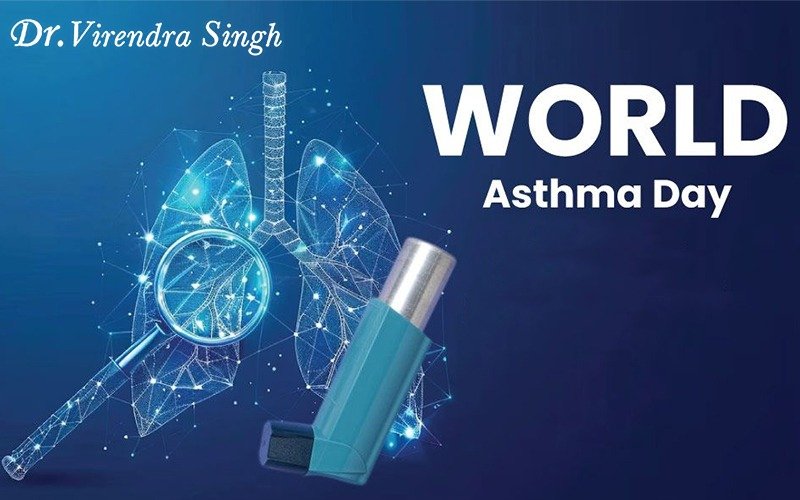
World Asthma Day 2026, which is observed worldwide under the direction of the Global Initiative for Asthma, is an essential reminder of the significance of respiratory health and efficient asthma management. This day emphasizes the necessity of raising awareness of triggers, early diagnosis, and appropriate treatment in order to support people in leading active and healthy lives. The focus is on empowering people with the right knowledge, access to healthcare, and support systems in the face of rising environmental challenges and lifestyle changes. On World Asthma Day in 2026, communities, medical professionals, and organizations are urged to unite in order to develop healthier breathing habits, lessen stigma, and guarantee that everyone has the unrestricted right to breathe.
On World Asthma Day 2026, renowned respiratory expert Dr. Virendra Singh emphasizes the importance of early diagnosis, regular monitoring, and personalized treatment for effective asthma management. According to his guidance, Asthma attacks can be avoided by being aware of personal triggers, such as pollution, allergies, and lifestyle choices. He encourages patients to follow prescribed inhaler therapies, maintain a healthy routine, and seek timely medical advice.
Understanding Asthma: Symptoms and Causes
The condition known as asthma causes the airways to swell, narrow, and become inflamed. Breathing difficulties and symptoms like this may result from this:
- Wheezing
- Chest tightness
- Shortness of breath
- Coughing, especially at night or early in the morning
Numerous things, such as allergens (including pollen, dust mites, and pet dander), respiratory illnesses, air pollution, stress, and even exercise, can cause these symptoms. While asthma cannot be cured, it can be effectively managed with the right treatment and lifestyle adjustments.
Global Initiatives for Asthma Awareness
The Global Initiative for Asthma (GINA), which aims to lessen the effects of asthma globally, is in charge of World Asthma Day. Countries all across the world take part by hosting free asthma screenings, awareness campaigns, and educational events. These initiatives seek to educate medical professionals, empower people with asthma, and promote better healthcare regulations. In the UK, organisations such as Asthma + Lung UK play a crucial role in supporting people with asthma. They offer campaigns, funds for research, and resources to enhance health care and air quality. These programs assist people in managing their disease more successfully and enjoying satisfying lives by raising awareness and understanding.
Debunking Common Asthma Myths
There are numerous misconceptions about asthma that lead to misconceptions and inadequate treatment. Let’s set the record straight:
Myth 1: Asthma is Just a Childhood Condition
Many people believe that children only have asthma and that they will eventually “grow out of it.” Asthma can last into maturity, and some people are diagnosed with the condition later in life, even though some children may see a decrease in symptoms as they become older.
Myth 2: People with Asthma Should Avoid Exercise
Exercise can occasionally exacerbate asthma symptoms, but this does not mean that physical activity should be completely avoided. Many top athletes have asthma and manage it effectively.
Myth 3: Asthma Medication is Only Needed During an Attack
Some people believe that asthma medications should only be taken when symptoms appear. In reality, to keep asthma under control and avoid attacks, various preventative asthma medications should be used every day.
Managing Asthma: Prevention and Treatment
Appropriate medication and preventive strategies are key components of effective asthma management. People can manage their asthma in the following ways:
1. Preventing Asthma Attacks
- Avoid Triggers: Determine and reduce your exposure to known triggers, like smoke, dust, and pollen.
- Maintain a Clean Environment: Regular cleaning and reducing household allergens can help prevent flare-ups.
- Follow an Asthma Action Plan: Create a customized plan with a healthcare practitioner that covers emergency procedures and medication use.
- Stay Active: Engage in regular exercise to strengthen lung function while using preventive inhalers if needed.
2. Asthma Treatment Options
Inhalers, which put medication straight into the lungs, are frequently used to treat asthma. They consist of:
- Reliever Inhalers: These relax the muscles in the airways during an asthma attack, providing immediate relief.
- Preventer Inhalers: Used daily to reduce inflammation and prevent symptoms from occurring.
- Combination Inhalers: These include a long-acting bronchodilator and a preventer to manage asthma symptoms.
Asthma Medications Available Online
A variety of asthma drugs are available to help properly control your disease. Here are a few frequently recommended choices:
- AeroChamber: Spacers are empty tubes that fit into your inhaler’s mouthpiece; they are often made of plastic. These gadgets aid in increasing inhaler use efficiency.
- Airflusal Forspiro: An inhaler containing fluticasone and salmeterol, which helps to relax airway muscles and reduce inflammation.
- Airflusal MDI Inhalers: Another combination inhaler that provides long-term asthma management and contains fluticasone propionate and salmeterol.
- Airomir Autohaler: This salbutamol-containing fast-acting autoinhaler is ideal for providing quick relief from asthma symptoms.
- Alvesco Inhaler: Ciclesonide, a corticosteroid inhaler, lessens lung inflammation to help reduce asthma symptoms.
- Asmanex Inhalers: Mometasone is a dry powder inhaler that is frequently used to help adults and teenagers manage their asthma.
The Importance of Asthma Awareness
Increasing awareness about asthma is essential to ensuring that individuals get the appropriate information and assistance. By educating the public about the condition, we can:
- Encourage early diagnosis and treatment.
- Reduce the stigma and misunderstandings associated with asthma.
- Expand the availability and accessibility of healthcare for those with asthma.
- Promote environmental regulations and cleaner air to improve respiratory health.
FAQs
What is World Asthma Day?
World Asthma Day is a global health awareness event that aims to improve respiratory health globally by educating people about asthma, its causes, symptoms, and management.
When is World Asthma Day 2026 observed?
Every year on the first Tuesday of May, World Asthma Day is celebrated; in 2026, it will take place on May 5.
What triggers asthma attacks?
Allergens (dust, pollen), air pollution, smoke, cold air, respiratory illnesses, and stress can all cause asthma attacks.
Can asthma be cured?
Asthma cannot be completely cured, but it can be effectively managed with lifestyle changes, proper medication, and regular medical care.
How can asthma be controlled?
By avoiding triggers, using prescription inhalers, leading a healthy lifestyle, and visiting a doctor on a regular basis, asthma can be managed.