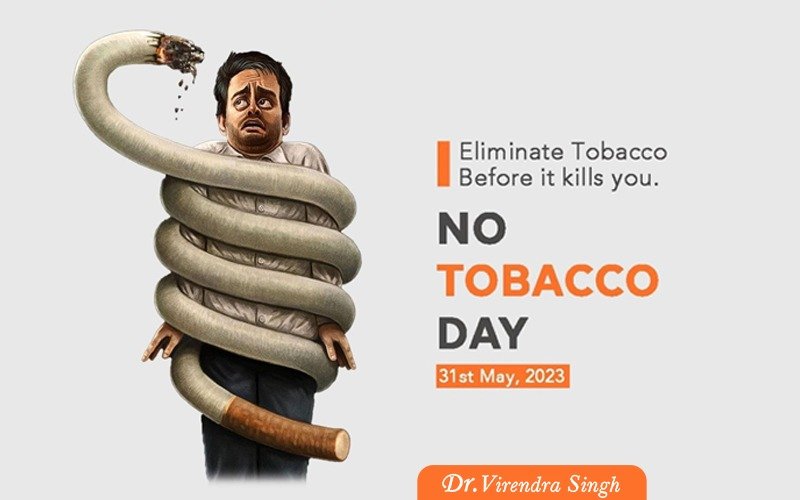
Every year on May 31, World No Tobacco Day is held to encourage individuals to give up smoking and other tobacco-related activities and to increase awareness of the negative effects of tobacco usage. Global health organizations organized the day to draw attention to the major health dangers associated with tobacco use, such as cancer, heart disease, and respiratory ailments. Educating individuals about the risks of passive smoking and the effects of tobacco on families and society is another of its main goals. Various seminars, campaigns, and awareness programs are organized globally to promote a healthier, tobacco-free lifestyle. Inspiring people to take a step toward improved health and supporting initiatives to establish a smoke-free environment for future generations is the day’s ultimate goal.
On the occasion of World No Tobacco Day 2026, Dr. Virendra Singh, a renowned pulmonologist, emphasizes the urgent need to quit tobacco in all its forms to protect long-term lung health. He emphasizes how tobacco use is still one of the main avoidable causes of lung damage in the world based on his clinical experience treating respiratory conditions like COPD, Asthma, and Lung infections. Dr. Virendra Singh provides guidance to patients and the general public by promoting prompt medical intervention and raising awareness of early warning symptoms of tobacco-related ailments.
The Impact of Tobacco on Health
One of the main avoidable causes of death in the globe is tobacco usage. It is connected to a number of health problems, such as:
- Cancer: Tobacco smoke contains over 70 known carcinogens, contributing to cancers of the throat, mouth, lungs, pancreas, esophagus, bladder, and more.
- Cardiovascular Diseases: The risk of heart disease, stroke, and hypertension is greatly increased by smoking.
- Respiratory Problems: Smoking is strongly linked to emphysema, chronic bronchitis, and chronic obstructive pulmonary disease (COPD).
- Reproductive Health Issues: Smoking is strongly linked to emphysema, chronic bronchitis, and chronic obstructive pulmonary disease (COPD).
- Reproductive Health Issues: Smoking can cause pregnancy problems, decreased fertility, and early menopause in women.
The 2026 Theme of World No Tobacco Day
The 2026 Theme of World No Tobacco Day is “Unmasking the appeal – countering nicotine and tobacco addiction”.
Objectives of World No Tobacco Day
- Raise Awareness: Inform them about the dangers smoking poses to their health and the advantages of quitting.
- Advocate for Strong Policies: Encourage governments to implement and enforce comprehensive tobacco control policies, such as smoke-free zones, higher tobacco taxes, and prohibitions on tobacco marketing and advertising.
- Promote Cessation Services: Highlights the availability and effectiveness of support services to help tobacco users quit.
- Engage Stakeholders: To build a tobacco-free future, encourage cooperation between the public, governments, civil society organizations, and medical experts.
Aligning with Sustainable Development Goals (SDGs)
World No Tobacco Day 2026 is in line with a number of important SDGs, especially:
- SDG 3: Good Health and Well-Being: We can greatly enhance health outcomes and lessen the burden of non-communicable illnesses by lowering tobacco usage.
- SDG 10: Reduced Inequalities: Vulnerable groups are disproportionately affected by tobacco use, which exacerbates economic and health disparities. Increasing social fairness and equity requires addressing tobacco usage.
- SDG 12: Responsible Consumption and Production: A more sustainable future may result from promoting ethical manufacturing and consumption methods, such as tobacco product regulation.
Types of Tobacco and Their Risks
- Traditional Smoking: leading cause of avoidable death worldwide, resulting in cardiovascular, respiratory, and cancer disorders. Peer pressure and nicotine’s addictive qualities make young people particularly at risk.
- Chewing Tobacco and Smokeless Products: These include products like snuff and chewing tobacco. Raise the chance of pancreatic, esophageal, and oral cancers in addition to other health issues. In other places, their cultural acceptance makes preventative efforts more difficult.
- E-Cigarettes and Vaping: Marketed as safer substitutes but associated with long-term brain damage in teenagers, lung problems, and nicotine addiction. Young people are drawn to flavored options, which fuels the vaping epidemic.
Health Impacts of Tobacco Consumption
Tobacco use and exposure harm health at every stage of life. It raises the chance of congenital abnormalities and stillbirth during fetal development. It may result in SIDS (sudden infant death syndrome) in infants. In adolescence and childhood, it leads to respiratory diseases and disabilities. Tobacco usage dramatically increases the risk of cardiovascular illnesses starting at age 30. Later in life, it leads to greater mortality from respiratory disorders and higher incidences of cancer, especially lung cancer.
The body is severely harmed by smoking, especially the lungs. Harmful substances such as carbon monoxide, hydrogen cyanide, ammonia, tiny particles, tar, and phenol that cause ‘smoker cough’ enter the bloodstream through the lungs and travel throughout the body.
The lungs’ functional units for gas exchange, the alveoli, are harmed by smoking. Reduced lung function as a result of this irreversible injury makes daily tasks like walking and stair climbing challenging. Dopamine is released by the brain as a result of nicotine’s addictive properties, starting a vicious cycle of dependency. Dopamine is the solution to every issue we encounter over time; an immediate release of this hormone makes us feel content and relieved, and aids in concentration.
FAQs
What is World No Tobacco Day?
May 31st is designated as a global awareness day to raise awareness of the risks associated with tobacco smoking.
Why is World No Tobacco Day important?
It helps educate people about health risks like heart disease, cancer, and lung disorders caused by tobacco.
What are the harmful effects of tobacco?
Tobacco can cause serious diseases such as stroke, lung cancer, and chronic respiratory issues.
How can someone quit tobacco?
By getting medical attention, utilizing nicotine replacement treatments, and maintaining motivation with the help of relatives and experts.
How can people participate in this day?
By raising awareness, giving up smoking, and motivating others to live tobacco-free lives.