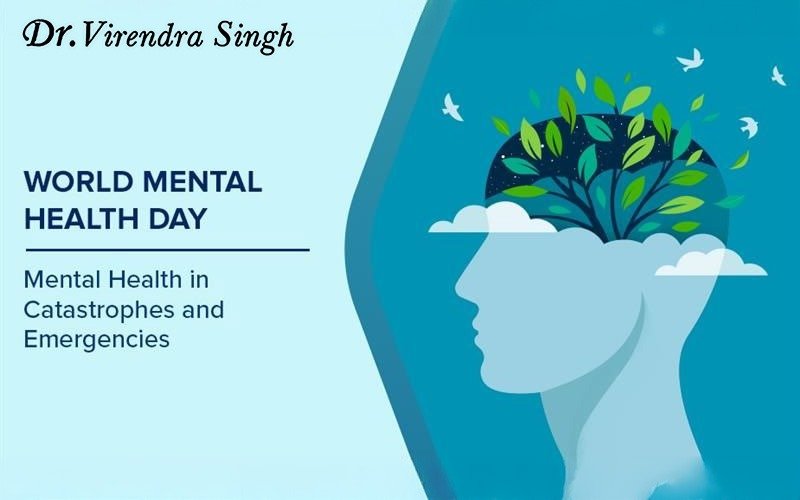
Policies and services related to mental health are frequently developed for individuals, but not always with them. On October 10, we celebrate World Mental Health Day, which serves as a reminder that listening to people who have personally dealt with mental health issues is the first step toward real change. The official 2026 theme, “Lived Experiences Heard: Real Voices, Real Change,” calls for these voices to play a central role in shaping care, policies, and public conversations. Families, healthcare systems, businesses, and communities can offer more considerate, responsive, and accessible assistance by listening without passing judgment and viewing lived experience as a significant source of understanding. This World Mental Health Day, raising awareness must give way to making sure that individuals feel supported, heard, and included.
On World Mental Health Day 2026, Dr. Virendra Singh highlights the importance of listening to people with lived experiences of mental health challenges and building a supportive environment where everyone feels heard, respected, and understood. Dr. Virendra Singh encourages individuals and families to discuss mental health openly, identify early signs of emotional distress, break the stigma, and seek professional support whenever necessary.
World Mental Health Day 2026: Theme and Significance
The official theme for World Mental Health Day 2026 is “Lived Experiences Heard: Real Voices, Real Change.” It emphasizes the importance of listening to people with lived experiences of mental health challenges and actively involving their voices in improving mental health care, services, and policies.
The term “lived experience” in the context of mental healthcare refers to the knowledge and insight gained via firsthand experience with a mental health issue, seeking care, undergoing treatment or recovery, or helping someone through these experiences. These viewpoints can highlight real-world care inadequacies that aren’t always apparent from clinical or policy debates alone. The 2026 theme calls for this experience to inform:
- Treatment Decisions: Individuals ought to play a significant part in choosing their own care, objectives, and course of therapy.
- Mental Health Services: Mental health service users’ feedback can assist in improving the respect, accessibility, and responsiveness of care to actual needs.
- Policies and Programmes: The development of community programs, support networks, and mental health policy can benefit from the input of those with lived experience.
- Peer Support: In addition to professional care, those who have experienced comparable difficulties may offer empathy, support, and useful advice.
- Research and Advocacy: Priorities that are most important to those who are directly impacted by mental health issues can be found through lived experiences.
Why Mental Health Awareness Still Matters
Despite more public discourse, mental health issues continue to be prevalent. Over 1 billion individuals worldwide suffer from a mental health illness, with anxiety and depression disorders being the most prevalent, according to the most recent data from the World Health Organization. Many people still lack access to proper mental health care due to stigma, limited availability of services, and a shortage of trained mental health professionals.
At the same time, newer challenges are shaping mental well-being. WHO highlights that approximately 1 in 6 people worldwide experiences loneliness, with adolescents and young adults being particularly affected. Shifts in work, education, relationships, urban living, and technology-driven communication have made social isolation an increasingly important public health concern.
Therefore, mental health knowledge is important since it benefits people:
- Recognise concerns early: Persistent sorrow, anxiety, anger, sleep disturbances, loss of interest, difficulties concentrating, or withdrawal from typical activities may signal that support is required.
- Understand that mental health concerns are not a sign of weakness: It is simpler to seek professional assistance without feeling ashamed or afraid of being judged when one has access to accurate information.
- Notice the impact of loneliness and isolation: Someone may seem socially connected yet still experience feelings of loneliness or a lack of support. Understanding this can encourage us to check in with others, listen without judgment, and provide genuine emotional support.
- Seek help before symptoms begin to disrupt daily life: Early assessment can help address concerns before they become more challenging to manage, while ensuring that individuals receive appropriate treatment, guidance, and support.
Common Barriers to Accessing Mental Health Care
Recognising the need for help does not always mean that support is readily accessible. Around the world, many people continue to face financial, practical, and social challenges when seeking mental health care and services. According to the latest WHO Mental Health Atlas, mental health accounts for only around 2% of government health spending worldwide, while the median availability of mental health professionals is approximately 13 per 100,000 people.
Some of the most common barriers include:
- Fear of Judgement: Fear of being labelled, misunderstood, or treated differently can prevent people from openly discussing anxiety, depression, and other mental health challenges.
- Limited Availability of Professionals: In many areas, there is a shortage of psychiatrists, psychologists, counsellors, and trained mental health professionals, which can result in longer waiting times and limited access to suitable treatment options.
- Cost of Care: The cost of consultations, therapy, medications, and regular follow-ups can be challenging for many people, especially when mental health services have limited coverage through insurance or public healthcare programs.
- Distance and Access: People living in smaller towns or rural areas may have limited access to specialised mental health services, making it more difficult to attend regular consultations and continue therapy.
FAQs
What is World Mental Health Day 2026?
World Mental Health Day 2026 is observed on 10th October to raise awareness about mental health and encourage greater understanding and support.
Why is World Mental Health Day important?
It aids in raising awareness, lowering stigma, fostering dialog, and facilitating access to quality mental health care.
How can I support someone struggling with their mental health?
Listen without judgment, stay connected, show understanding, and encourage them to seek professional support when needed.
How can we reduce mental health stigma?
Avoiding judgment, respecting personal experiences, promoting open conversations, and sharing accurate information can help reduce stigma.
Can mental health concerns be treated?
Yes, with the right care, therapy, medication when needed, and continuous support, many mental health issues may be controlled.